
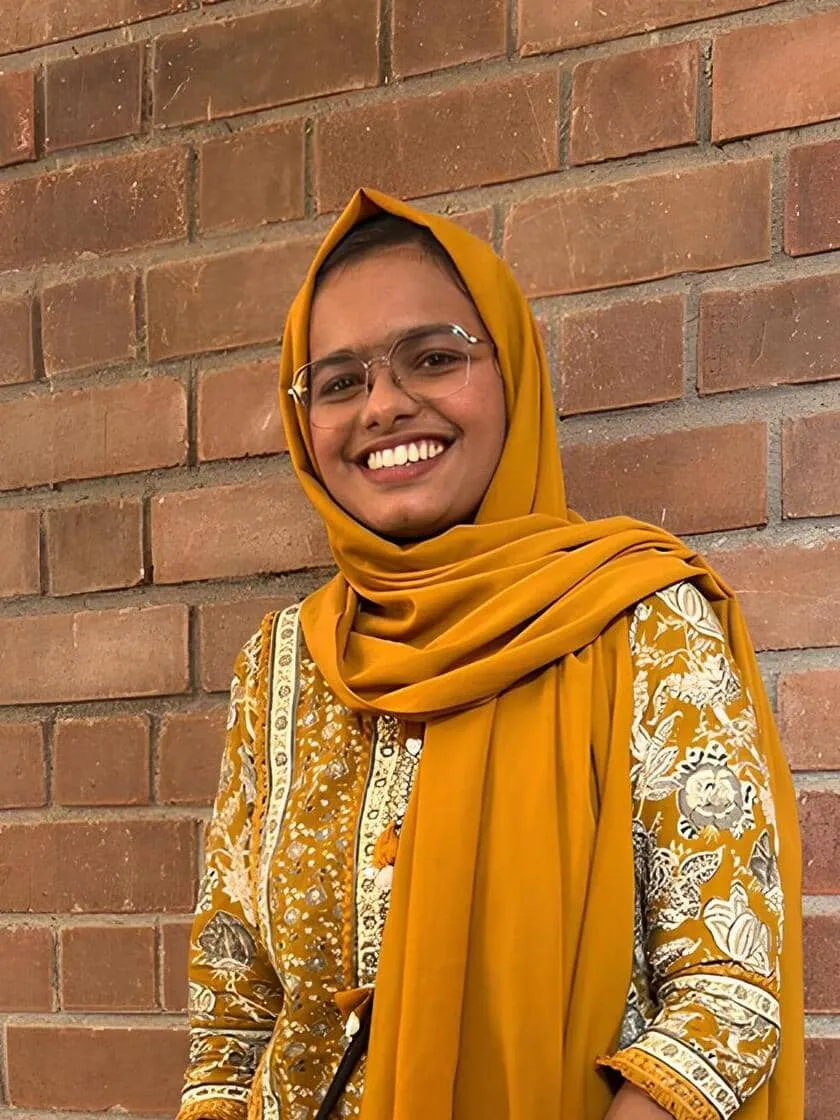
Jasmin
Psychotherapist
- Referred by a therapist
Hi, I'm Jasmin! I did not plan to end up here. Growing up, I knew I liked people, liked watching them, being around them, trying to understand what made them tick. My mother always said I was meant to help others. But I thought that meant something else entirely. It was only in my postgraduate studies that I discovered what counseling and psychotherapy actually were. And then I entered personal therapy myself, and something shifted. I understood from the inside what this work could do for a person. That experience is what made me commit. I have been in practice consistently since and understanding my work and people one session at a time.
I grew up in Kerala, spent a few early years in Dubai, did my graduation in Chennai, and am now settled in Malappuram. That movement across places and cultures has given me a particular attentiveness to context, to how where someone is from and what they have been surrounded by shapes the way they see themselves and their struggles.
One thing that has become central to how I work is that I think less about presenting symptoms and more about the person underneath them. I am drawn to understanding the personality, the adaptations someone has built over years, what they are protecting, what they are reaching for, and what they have never been quite able to say. That layer, once it becomes visible, tends to change everything.
Progress in therapy often shows up quietly before it shows up loudly. I track those smaller shifts carefully and bring them into the session directly, because I believe acknowledging what has moved is just as important as continuing to work on what has not. Those moments of recognition tend to carry more weight than people expect.
2160+ hours of work in therapy
I didn't stop learning after my masters, I have been continuously investing in practical case-based training, client work, and my own personal therapy.
We show therapy sessions so you can better understand a therapist's real-world experience.
Two therapists may both have five years in practice, yet one might have completed 500 sessions while another has completed 3,000. This depends on whether they practice part-time or full-time and how consistently they see clients. Session counts make that difference visible.
Just as you would not trust a surgeon who has only read about the human body but never operated, therapy cannot be mastered through textbooks alone. While many master's programs in India are heavily theory-driven, practical training develops the real skill of therapy - learning how to ask the right question, when to hold silence, when to challenge, and how to respond in complex emotional moments.
Therapists are human, and they carry their own histories. When a client's experiences resemble their own, old patterns can get activated.
For example, if a therapist grew up with a highly critical parent and a client shares a similar experience, that old pattern can get activated. They may unconsciously over-identify, rescue, or react instead of staying objective. Personal therapy helps therapists recognise their own triggers and patterns so they can respond thoughtfully and continue to hold a non-judgemental space. Nobody is born non judgemental, it takes a lot of personal work to get there.

2+ years of in-depth, practical training in psychotherapy post masters
- 2+ years (and ongoing) of advanced training in Transactional Analysis from International Transactional Analysis Association (ITAA)
- Transactional Analysis 101 from International Transactional Analysis Association (ITAA)
Educational Qualifications
- B.Sc. Psychology, LISSAH College
- M.A. Psychology, Tata Institute of Social Sciences
Jasmin's Transactional Analysis training comes through the International Transactional Analysis Association, the global body that sets and maintains the gold standard for this approach worldwide.
I've been privileged to work with clients ranging from students and young adults exploring identity and relationships, to working professionals navigating stress, boundaries, and self-worth.
You are in the right place if you are not primarily seeking support for conditions requiring immediate psychiatric or medical intervention.

Approaches I Use
- Transactional Analysis (TA)
- Cognitive Behavior Therapy (CBT)
- Gestalt Therapy
Jasmin works with the patterns and personality adaptations that quietly shape how people feel, relate, and respond, looking beneath the presenting concern to understand the person underneath it. She brings in body awareness and parts work alongside conversation, helping clients make contact with what they are carrying in ways that talking alone does not always reach.
What sessions with me feel like
In the first two to three sessions I am mostly trying to understand you as a whole person, your childhood, your parents, how you were shaped, where you are now. If something pressing needs immediate attention, I check with you and we go there directly. Otherwise I take it slow, building a picture before we start working on anything specifically.
As sessions move forward, I always want us to have a direction. If we are fifteen minutes in and the conversation is flowing but without a clear pull, I will gently interrupt and ask: is there something specific you are trying to reach today, or do you want to just talk? I find that naming the direction, even loosely, changes what is possible in the session.
Sometimes I invite you to put that part outside yourself, in an imaginary chair, and we work with it from there. If there was tightness somewhere at the start of the session, I come back to it before we close and ask how it is now. I notice progress and I name it. Small shifts, small wins, things that might get brushed past, I slow down for those and bring them into the room because I think acknowledging what has moved is as important as continuing to work on what has not.
Sessions close with a brief of what happened, what you are feeling, what you are sitting with, and what you are taking away. If there is a natural piece of homework that comes from the takeaway, I will ask if you want to do something with it. That is always your choice, never imposed.
Session Basics
Languages
Fluent in English, Malayalam, Hindi & Tamil
Location
Calicut, Kerala, India
Mode
Online only
Duration
60 minutes
Available for
Individual Therapy
Rescheduling/Cancellation Policy
24-hour notice required
Outside therapy
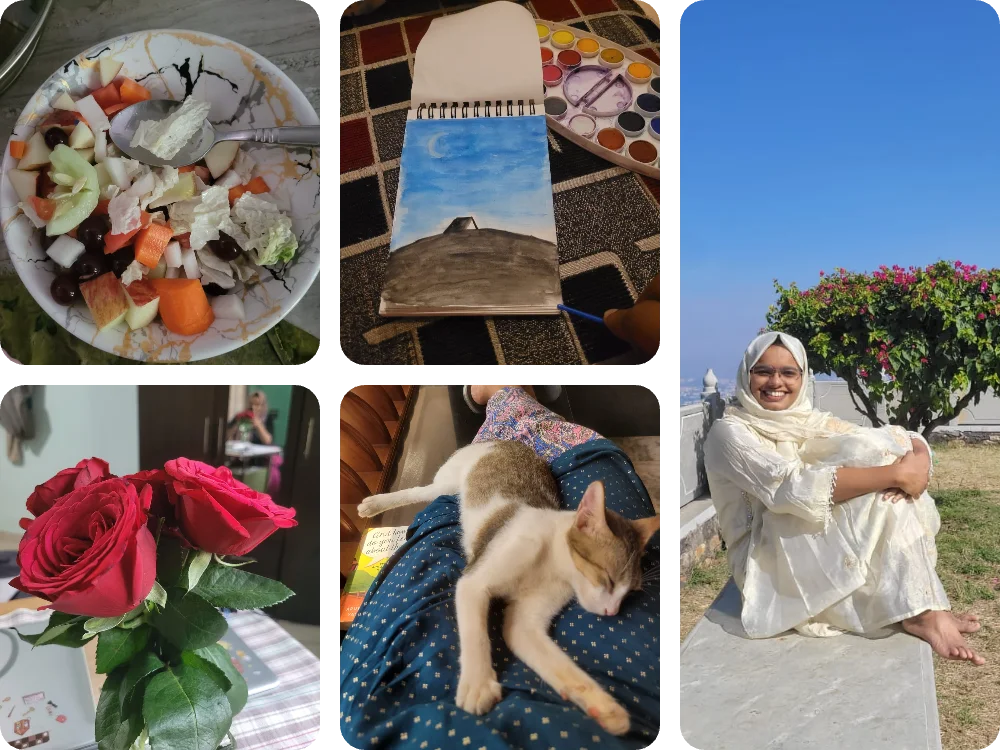
I find grounding in nature, reading, and physical activity. I enjoy movies and time spent simply observing trees and the world around me, practices that help me slow down, reflect, and recharge before returning to the therapy room.
I've been referred to Mindbun by therapist Bilal Abdu.
Therapists know what good therapy feels like. That's why this referral is stronger, and why you can trust it.
Frequently Asked Questions
What approaches do you work with?
I work primarily with Transactional Analysis, while also integrating Cognitive Behavioral Therapy and Gestalt therapy. This combination helps us understand long-standing patterns, address present difficulties, and explore emotions in a grounded way and bring structure where necessary.
What languages do you offer sessions in?
I offer sessions in English, Malayalam, Hindi, and Tamil.
What type of people may not be the right fit for you?
I may not be the right fit if you are primarily seeking support for conditions requiring immediate psychiatric or medical intervention.
Are your sessions more structured or exploratory?
My sessions balance both. I take time to understand you deeply while also maintaining a sense of direction, so the work feels meaningful without becoming rigid.
Will I get exercises or reflection work between sessions?
Sometimes, if it emerges naturally from our work. I may suggest small reflections or observations.
What if I disagree with you?
I genuinely welcome disagreement in our work together. If something I say doesn't sit right with you, I encourage you to share it openly. Therapy is a collaborative space, and your voice matters deeply here. Often, moments of disagreement lead to powerful insights, about patterns, boundaries, needs, or past experiences. Exploring these moments together can become an important part of your therapeutic growth and help us build a more honest, trusting relationship.
What if it doesn't feel like it's working after a few sessions?
Let's talk about it openly. Therapy is a collaborative process, and it's important that you feel safe sharing if something doesn't feel right. Sometimes, naming what isn't working can lead to meaningful shifts in the work itself. You are always free to pause, take a break, or explore a different therapist if that feels better for you. We can have that conversation together first, or you can also reach out to the Mindbun team for support in finding a better fit. Your comfort and growth matter more than pushing through something silently.